
Self Insured Retention
Self Insured Retention - What is a self insured retention? In contrast, a deductible policy often requires the insurer to cover your losses immediately, and then collect reimbursement from you afterward. Under a policy written with an sir provision, the insured (rather than the insurer) pays the defense and/or indemnity costs associated with a claim until the sir limit is reached. Before the insurance policy can take care of any damage, defense or loss, the insured needs to pay this clearly defined amount. Organizations can use it as a risk management tool to reduce the cost of insurance premiums. A key difference between them is that a deductible reduces the limit of insurance while an sir does not.
Sirs are commonly used in commercial general liability, environmental liability, cyber liability, and other policies covering major loss exposures. One option for protecting your business is through self insured retention (sir) insurance policies. Under a policy written with an sir provision, the insured (rather than the insurer) pays the defense and/or indemnity costs associated with a claim until the sir limit is reached. Organizations can use it as a risk management tool to reduce the cost of insurance premiums. This structure is common in liability policies for.

SelfInsured Retention TransGlobal Adjusting
Unlike a deductible, which the insurer deducts from claim payments, an sir requires the insured to handle initial losses directly. Organizations can use it as a risk management tool to reduce the cost of insurance premiums. A key difference between them is that a deductible reduces the limit of insurance while an sir does not. Before the insurance policy can.

SelfInsured Retention What it is and How it Works Harris Insurance
This structure is common in liability policies for. What is a self insured retention? Under a policy written with an sir provision, the insured (rather than the insurer) pays the defense and/or indemnity costs associated with a claim until the sir limit is reached. Unlike a deductible, which the insurer deducts from claim payments, an sir requires the insured to.

What is Self Insured Retention? SIR How it works?
One option for protecting your business is through self insured retention (sir) insurance policies. A key difference between them is that a deductible reduces the limit of insurance while an sir does not. What is a self insured retention? Under a policy written with an sir provision, the insured (rather than the insurer) pays the defense and/or indemnity costs associated.

What is Self Insured Retention? SIR How it works?
A key difference between them is that a deductible reduces the limit of insurance while an sir does not. Before the insurance policy can take care of any damage, defense or loss, the insured needs to pay this clearly defined amount. Under a policy written with an sir provision, the insured (rather than the insurer) pays the defense and/or indemnity.
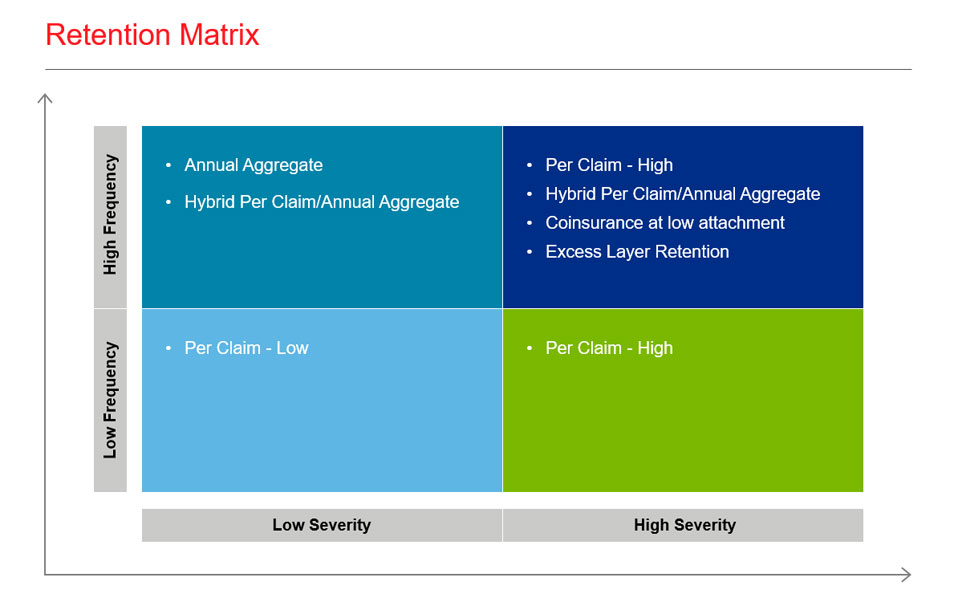
Self Insured Retention Policy kenyachambermines
This structure is common in liability policies for. Organizations can use it as a risk management tool to reduce the cost of insurance premiums. Under a policy written with an sir provision, the insured (rather than the insurer) pays the defense and/or indemnity costs associated with a claim until the sir limit is reached. A key difference between them is.
Self Insured Retention - In contrast, a deductible policy often requires the insurer to cover your losses immediately, and then collect reimbursement from you afterward. Under a policy written with an sir provision, the insured (rather than the insurer) pays the defense and/or indemnity costs associated with a claim until the sir limit is reached. Organizations can use it as a risk management tool to reduce the cost of insurance premiums. What is a self insured retention? Before the insurance policy can take care of any damage, defense or loss, the insured needs to pay this clearly defined amount. One option for protecting your business is through self insured retention (sir) insurance policies.
Sirs are commonly used in commercial general liability, environmental liability, cyber liability, and other policies covering major loss exposures. Unlike a deductible, which the insurer deducts from claim payments, an sir requires the insured to handle initial losses directly. In contrast, a deductible policy often requires the insurer to cover your losses immediately, and then collect reimbursement from you afterward. One option for protecting your business is through self insured retention (sir) insurance policies. Under a policy written with an sir provision, the insured (rather than the insurer) pays the defense and/or indemnity costs associated with a claim until the sir limit is reached.
A Key Difference Between Them Is That A Deductible Reduces The Limit Of Insurance While An Sir Does Not.
Sirs are commonly used in commercial general liability, environmental liability, cyber liability, and other policies covering major loss exposures. In contrast, a deductible policy often requires the insurer to cover your losses immediately, and then collect reimbursement from you afterward. What is a self insured retention? This structure is common in liability policies for.
Under A Policy Written With An Sir Provision, The Insured (Rather Than The Insurer) Pays The Defense And/Or Indemnity Costs Associated With A Claim Until The Sir Limit Is Reached.
One option for protecting your business is through self insured retention (sir) insurance policies. Unlike a deductible, which the insurer deducts from claim payments, an sir requires the insured to handle initial losses directly. Organizations can use it as a risk management tool to reduce the cost of insurance premiums. Before the insurance policy can take care of any damage, defense or loss, the insured needs to pay this clearly defined amount.