
When An Insurer Issues A Policy That Refuses
When An Insurer Issues A Policy That Refuses - For example, homeowners insurance typically excludes flood and earthquake damage, requiring separate policies. When an insurer issues a policy that refuses to cover certain risks, this is referred to as a(n) elimination exclusion limitation exception Compare the denial reason with your insurance policy’s terms. The insuring clause or provision sets forth the company's basic promise to pay benefits upon the insured's death. The question is asking for the correct term used when an insurer issues a policy that refuses to cover certain risks. Citizens, which was created as an insurer of last resort but ballooned in recent years to become the state’s largest insurer, had 844,688 policies as of friday, according to.
When an insurer issues a policy that refuses to cover certain risks, this is referred to as a(n) Citizens, which was created as an insurer of last resort but ballooned in recent years to become the state’s largest insurer, had 844,688 policies as of friday, according to. When an insurer issues a policy that refuses to cover certain risks, this is referred to as a (n): The term used when an insurer issues a policy that refuses to cover certain risks is called an exclusion. If your insurance plan refuses to approve or pay for a medical claim, (including tests, procedures, or specific care ordered by your doctor) you have guaranteed rights to appeal.

EMERGING ISSUES WITH INSURER RECOUPMENT OR REIMBURSEMENT FROM POLICYH…
The insuring clause or provision sets forth the company's basic promise to pay benefits upon the insured's death. If your insurance plan refuses to approve or pay for a medical claim, (including tests, procedures, or specific care ordered by your doctor) you have guaranteed rights to appeal. The correct term is 'exclusion.' an exclusion in an insurance policy is a.

What can you do when your insurer refuses your claim? SMD Lawyers
For example, homeowners insurance typically excludes flood and earthquake damage, requiring separate policies. Which of the following provisions guarantees that premiums will be waived if a juvenile life policy owner becomes disabled? This practice, known as insurance underwriting,. The term used when an insurer issues a policy that refuses to cover certain risks is called an exclusion. The question is.

The importance of updating your policy details with your insurer
Citizens, which was created as an insurer of last resort but ballooned in recent years to become the state’s largest insurer, had 844,688 policies as of friday, according to. If your insurer states a service isn’t covered, but your policy says otherwise, this could be strong grounds for an. Exclusions outline what is not covered by an insurance policy, clarifying..
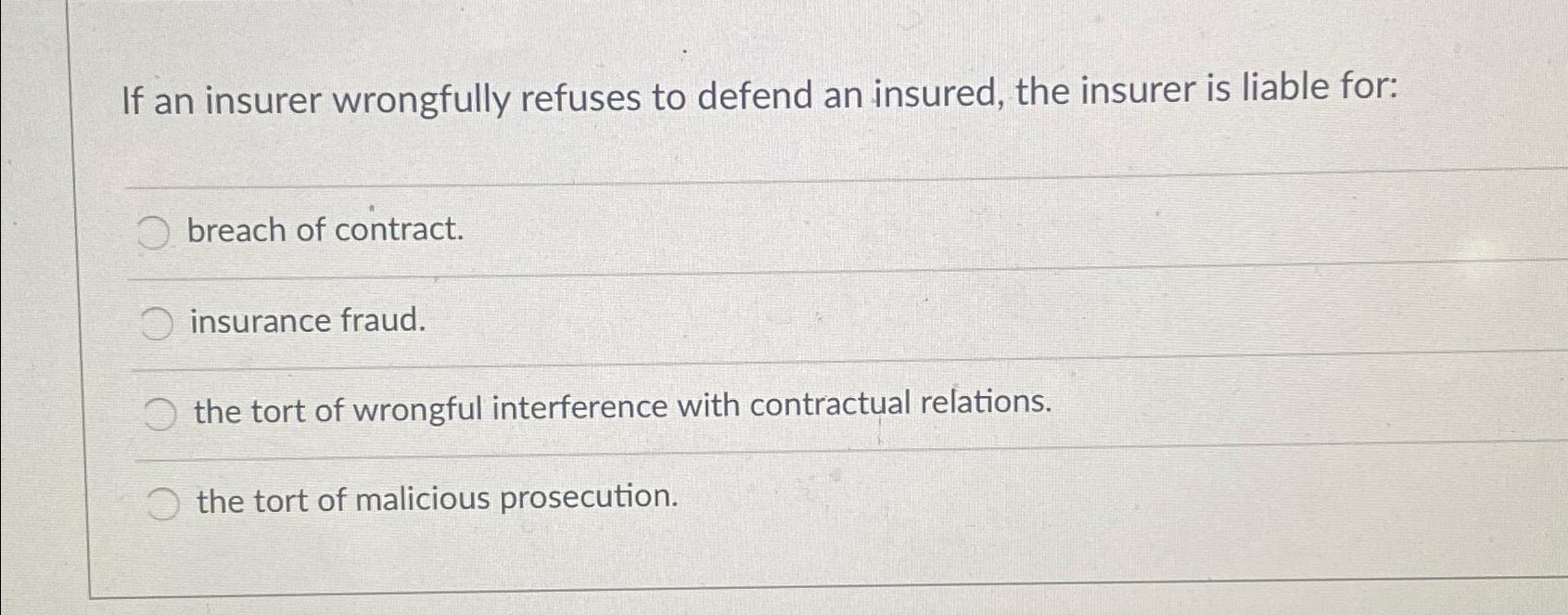
Solved If an insurer wrongfully refuses to defend an
Insurance companies have the right to refuse coverage to individuals or businesses they deem too risky to insure. For example, homeowners insurance typically excludes flood and earthquake damage, requiring separate policies. Insurance policy limits and forced settlement claims impact 45% of disputes where insurers refuse reasonable negotiations. If your insurance plan refuses to approve or pay for a medical claim,.

Solved a) An insurer issues a whole life insurance policy to
Insurers, including hdfc life, are preparing for a significant legal battle with gst authorities over allegations of wrongful input tax credit claims on agent commissions. This article explores key reasons an insurance company might refuse to pay a claim and the legal options available if a denial occurs. The correct term is 'exclusion.' an exclusion in an insurance policy is.
When An Insurer Issues A Policy That Refuses - Compare the denial reason with your insurance policy’s terms. Citizens, which was created as an insurer of last resort but ballooned in recent years to become the state’s largest insurer, had 844,688 policies as of friday, according to. When an insurer fails to accept a reasonable settlement offer after refusing to defend because of a mistaken belief that the policy does not provide coverage, the insurer is liable for any excess. The correct term is 'exclusion.' an exclusion in an insurance policy is a provision that eliminates coverage for certain risks, incidents, or conditions, which means that the insurer will not pay. These claims often leave policyholders at risk when. This article covers the critical steps that a plaintiff or claimant should take when the liability insurer for the insured defendant denies coverage and refuses to defend.
The correct term is 'exclusion.' an exclusion in an insurance policy is a provision that eliminates coverage for certain risks, incidents, or conditions, which means that the insurer will not pay. Insurance companies have the right to refuse coverage to individuals or businesses they deem too risky to insure. When an insurer issues a policy that refuses to cover certain risks,. Exclusions outline what is not covered by an insurance policy, clarifying. Understanding your options when an insurance company refuses to pay is key to resolving the issue effectively.
When An Insurer Issues A Policy That Refuses To Cover Certain Risks,.
If your insurance plan refuses to approve or pay for a medical claim, (including tests, procedures, or specific care ordered by your doctor) you have guaranteed rights to appeal. This practice, known as insurance underwriting,. This article covers the critical steps that a plaintiff or claimant should take when the liability insurer for the insured defendant denies coverage and refuses to defend. The question is asking for the correct term used when an insurer issues a policy that refuses to cover certain risks.
This Article Explores Key Reasons An Insurance Company Might Refuse To Pay A Claim And The Legal Options Available If A Denial Occurs.
The term used when an insurer issues a policy that refuses to cover certain risks is called an exclusion. Auto insurance may not cover mechanical failures or. When an insurer issues a policy that refuses to cover certain risks, this is referred to as a(n) elimination exclusion limitation exception Insurance companies have the right to refuse coverage to individuals or businesses they deem too risky to insure.
When An Insurer Issues A Policy That Refuses To Cover Certain Risks, This Is Referred To As A(N)
Insurance policy limits and forced settlement claims impact 45% of disputes where insurers refuse reasonable negotiations. Citizens, which was created as an insurer of last resort but ballooned in recent years to become the state’s largest insurer, had 844,688 policies as of friday, according to. The options given are elimination, exclusion, limitation, and exception. Understanding your options when an insurance company refuses to pay is key to resolving the issue effectively.
The Correct Term Is 'Exclusion.' An Exclusion In An Insurance Policy Is A Provision That Eliminates Coverage For Certain Risks, Incidents, Or Conditions, Which Means That The Insurer Will Not Pay.
For example, homeowners insurance typically excludes flood and earthquake damage, requiring separate policies. When an insurer issues a policy that refuses to cover certain risks, this is referred to as a (n): Exclusions outline what is not covered by an insurance policy, clarifying. When an insurer fails to accept a reasonable settlement offer after refusing to defend because of a mistaken belief that the policy does not provide coverage, the insurer is liable for any excess.